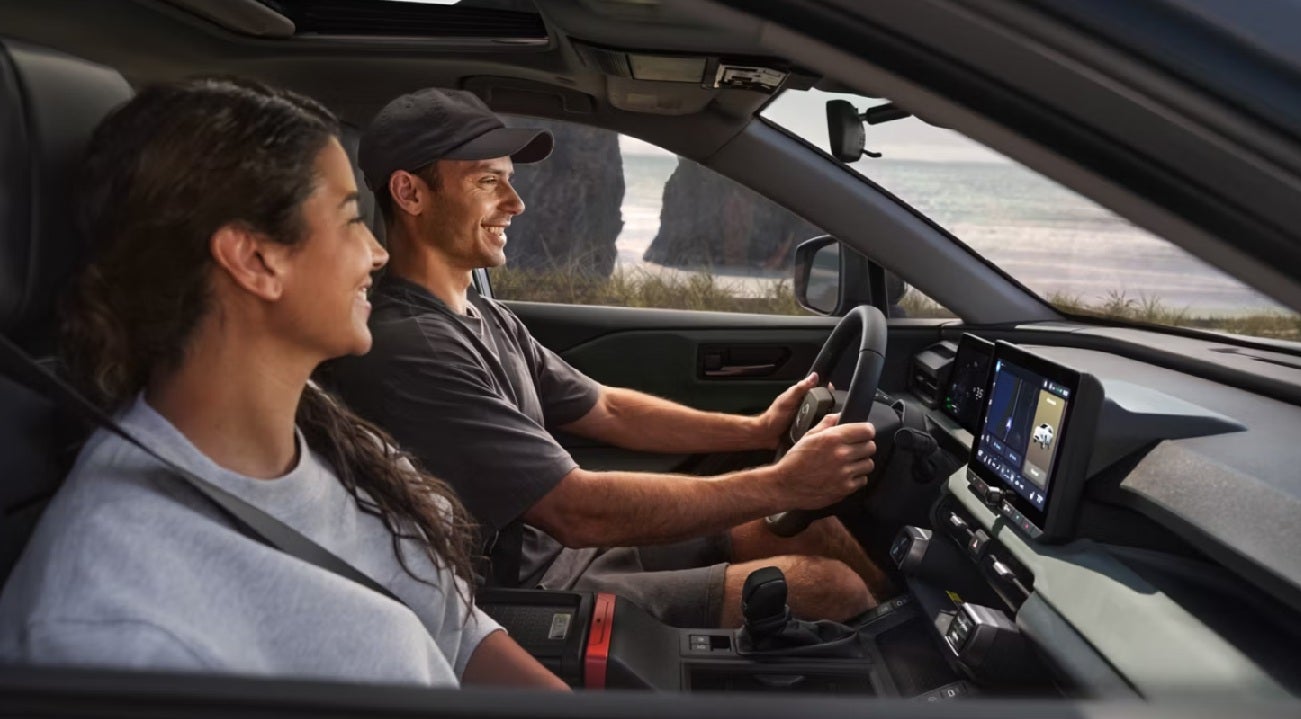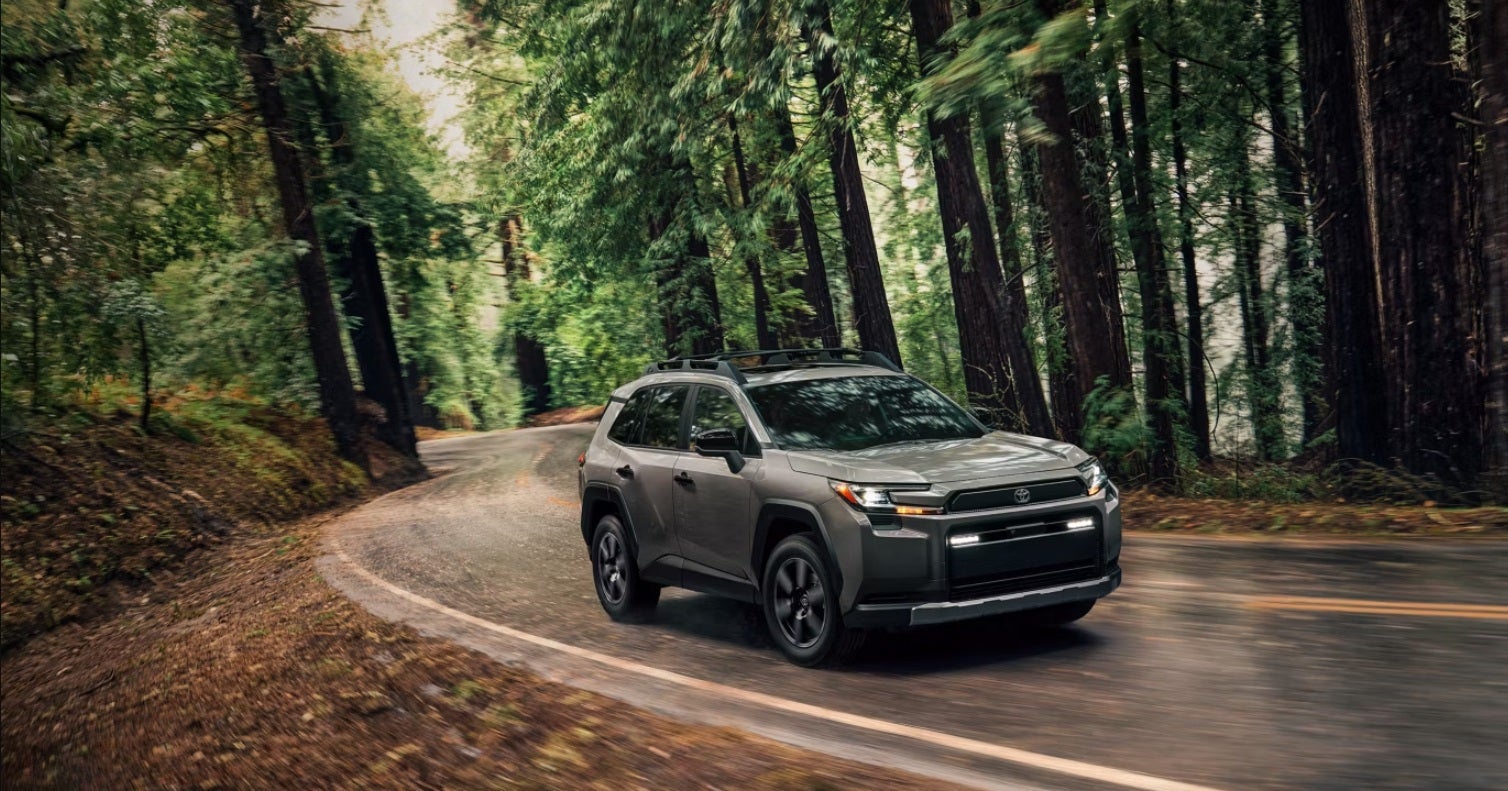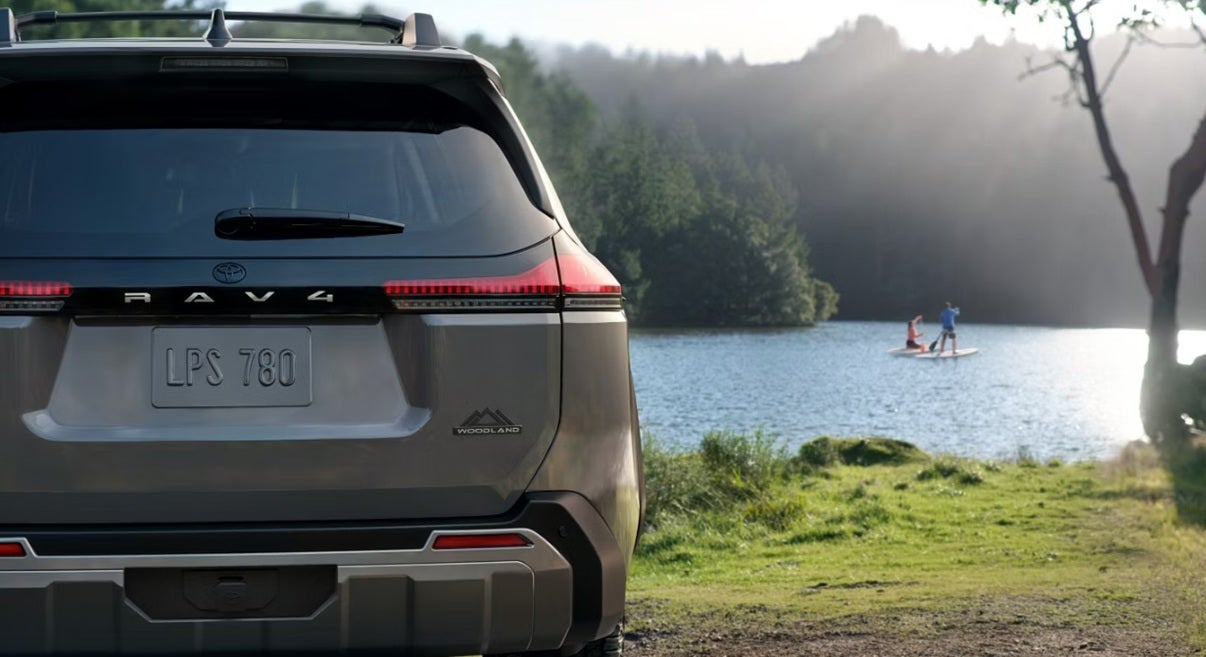


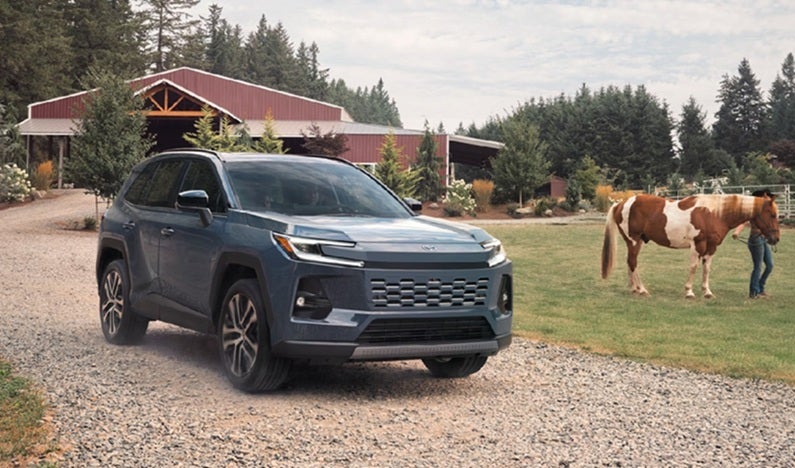
Is the 2026 Toyota RAV4 Hybrid Only? What Changed, and What It Means for Memphis Drivers Yes. The 2026 RAV4 is a fully electrified lineup, which means every one is either a hybrid or a plug-in hybrid. The gas-only RAV4 is gone. If you've been driving a conventional RAV4 and assumed you'd replace it with another one, that option no longer exists on the new-car side. That's the headline. The more useful part is what Toyota did with the space that decision freed up. What Exactly Changed for 2026? Toyota moved the RAV4 to a 100 percent electrified lineup. Two powertrain families, no third option. Powertrain Available for 2026? Gas-only No longer offered Hybrid Yes Plug-in Hybrid Yes Alongside that, the RAV4 got a genuine redesign rather than a refresh. Here's what's worth knowing before you shop: Three distinct exterior design directions: core, rugged and sport. Same vehicle underneath, three different visual arguments. A first-ever GR SPORT in the US, arriving as a plug-in hybrid and developed with Toyota Gazoo Racing. Woodland becomes its own grade rather than a package sitting on top of another trim. Toyota Safety Sense 4.0 comes on board too. It's the latest version of the driver-assist suite rather than a carryover. Does the Hybrid Cost You Power? No, and this is the part that surprises people who've been avoiding hybrids. The 2026 RAV4 Hybrid produces 226 combined net horsepower. The outgoing front-drive gas model made 203. So the electrified version isn't the compromise choice, it's the stronger one, by 23 horsepower. If your objection to a hybrid was that it would feel slower, that objection is now backwards. The hybrid is the more powerful RAV4, and it has been for a while. The 2026 change just removes the slower alternative from the menu. Can You Still Get Front-Wheel Drive? Yes, and this is new. For 2026 the RAV4 Hybrid is available in front-wheel drive for the first time. That matters more in Memphis than it would in Denver. Plenty of local drivers bought the gas front-drive RAV4 because they didn't need all-wheel drive and didn't want to pay to haul it around all year. Until now, choosing the hybrid meant taking AWD whether your driving called for it or not. That's no longer the trade. How Far Does the Plug-In Go on Electricity Alone? A manufacturer-estimated 52 miles of all-electric range on the 2026 Plug-in Hybrid, which is an increase over the previous system. Put that against a Memphis commute and it gets interesting. A round trip from Cordova or Germantown into downtown sits well inside that window, and so does a run out to Southaven. That's most of a normal week. Which means a large share of local driving can happen on electricity, with the gas engine there for the trips where you need it. No range anxiety, no charging stop on a road trip. The plug-in only pays off if you actually plug it in. If you can't charge at home or at work, you're carrying a heavier battery around for no benefit and the standard hybrid is the smarter buy. Be honest about this one before you sign. What Does This Mean If You Own a Gas RAV4 Now? Three practical consequences, in order of when they'll hit you. Your replacement will be electrified. If you're shopping new, the decision isn't hybrid or gas anymore. It's hybrid or plug-in hybrid. The used market is where gas RAV4s now live. Every gas-only RAV4 from here on is a pre-owned vehicle, and the supply is fixed and finite. Your current one didn't stop being a good car. Nothing about the 2026 announcement changes what's in your driveway. Don't let the news rush a trade you weren't planning. If you'd rather stay with a conventional engine, the answer is the pre-owned inventory, and a Toyota Certified gas RAV4 is the version of that with an inspection behind it. Should You Wait for the 2026 or Buy Now? It depends on one question: do you want the redesign, or do you want a RAV4? If this is you What we'd do You want the new design, GR SPORT, or the 52-mile plug-in Wait for the 2026. It's worth choosing your grade deliberately You need a vehicle now and the powertrain isn't the point Look at current stock. A hybrid on the lot today is still the more powerful RAV4 You specifically want a gas-only RAV4 Shop pre-owned, and don't wait too long. That supply stopped growing You can't charge at home Standard hybrid, not the plug-in. Skip the bigger battery You can see what's on the ground in RAV4 and RAV4 Hybrid right now, and the wider electrified Toyota lineup shows how many other models have already made this move. Frequently Asked Questions Is the 2026 Toyota RAV4 hybrid only? Yes. Toyota moved the RAV4 to a fully electrified lineup for 2026, offered as a hybrid or a plug-in hybrid. There's no gas-only version of the 2026 RAV4. Conventional gas RAV4s are now a used-market vehicle. How much horsepower does the 2026 RAV4 Hybrid have? 226 combined net horsepower. That's 23 more than the 203 horsepower of the previous generation's front-drive gas model, so the electrified RAV4 is the more powerful one rather than the economy compromise. Does the 2026 RAV4 Hybrid come in front-wheel drive? Yes, and it's new for 2026. The RAV4 Hybrid is available in front-wheel drive for the first time, so you no longer have to take all-wheel drive just to get the hybrid powertrain. How far can the 2026 RAV4 Plug-in Hybrid go on electricity? A manufacturer-estimated 52 miles of all-electric range, up from the previous system. For a lot of Memphis-area commuting that covers the daily round trip, with the gas engine available for longer drives. What's new on the 2026 RAV4 besides the powertrain? Three distinct exterior design directions (core, rugged and sport), the first US GR SPORT model as a plug-in hybrid, Woodland promoted to a standalone grade, and Toyota Safety Sense 4.0 as the driver-assist suite. Key Takeaways The 2026 RAV4 is hybrid or plug-in hybrid only. The gas-only version is finished. The hybrid makes 226 combined horsepower against the old gas model's 203, so electrified is the stronger choice, not the slower one. Front-wheel drive is available on the hybrid for the first time. You no longer pay for AWD you didn't want. The plug-in is rated at a manufacturer-estimated 52 electric miles, which covers a lot of Memphis commuting. It only makes sense if you can charge. Want a gas RAV4? That's a used-market question now, and the supply stopped growing. Chuck Hutton Toyota is at 4601 Hutton Way in Memphis. If you're weighing hybrid against plug-in, tell us where you park at night and how far you drive on a normal day, and we'll narrow it down before you drive anything. You can also book service on the RAV4 you already own, or get a trade appraisal with no obligation to buy.
Used Car Red Flags
Used Car Red Flags: What to Walk Away From Walk away from a seller who won't let you take it to a mechanic. That one refusal tells you more than any inspection would have, and it's the only red flag that ends the conversation by itself. Everything else on this page is something you can check in about twenty minutes, standing next to the car, before you've spent a dollar. Here's what to look for, roughly in the order you'll encounter it. What's the Single Biggest Red Flag? Refusing a pre-purchase inspection. There is no innocent version of that answer. A seller with a sound car has nothing to lose by letting an independent mechanic look at it. A seller who says no, or who stalls, or who suddenly has another buyer coming at four o'clock, is telling you something about the car without saying it. This is the one that ends it. Not "proceed carefully." Not "negotiate harder." If a private seller won't allow an inspection, walk. There are other cars, and the twenty minutes you spend arguing about it is time you'll wish you'd spent looking at one of them. What Should You Check on the Paperwork? Three things, and all three take a few minutes. Does the name on the title match the person selling it? If it doesn't, ask why before anything else. Curbstoning, where an unlicensed dealer poses as a private owner, usually shows up right here. Is the title branded? Salvage, rebuilt, flood and lemon brands all follow a vehicle permanently and change what it's worth and what it can be insured for. Do the odometer readings in the history line up? A reading that goes down, or a gap where a year's worth of miles vanished, is worth a straight question. A vehicle history report is worth pulling, and it's worth knowing its limit: it shows what was reported. Damage repaired quietly and paid for in cash never enters it. A clean report is good news, not proof. What Does the Body Tell You? More than the seller will. Bodywork is hard to hide once you know where to look. Panel gaps. Walk the whole car and look at the gaps between panels. They should be even and consistent. A gap that's tight at the top and wide at the bottom means something was moved. Paint that doesn't match. Look down the side of the car at an angle, in daylight. Repainted panels often differ subtly in shade or texture. Overspray. Check rubber trim, window seals and inside the door jambs for a fine mist of paint that shouldn't be there. Bolt heads at the fender and hood. Scratched or turned bolts mean panels have been off. None of these mean run. Plenty of good cars have had a door repainted after a parking lot scrape. What they mean is: ask what happened, and see whether the answer matches what you're looking at. What Do the Tires Tell You? Quite a lot, and this is the check most buyers skip entirely. Run your hand across each tire, inside edge to outside edge. Even wear is what you want. Wear concentrated on one edge points at an alignment problem, and alignment problems are often a symptom of something bigger, like worn suspension components or a past impact. Then check whether all four match. A car wearing four different brands has usually been maintained one emergency at a time. The inside shoulder is the one nobody looks at. You can't see it from the driveway, and it's where alignment trouble shows up first. Crouch down and reach behind the tire. If your hand comes back telling you the inner edge is bald while the outer edge looks fine, that's a real finding. What Should You Listen and Look for on the Drive? Drive it cold if you can. A seller who has the engine warmed up before you arrive may just be considerate, and may also be hiding a rough start. What you notice What it usually means Blue smoke at startup Oil burning. Ask hard questions A steering wheel that isn't centered on a straight road Alignment, or something that caused it Pulling to one side under braking Brake or suspension issue Vibration that appears at a specific speed Wheels, tires or driveline A transmission that hunts or clunks between gears The most expensive thing on this list A/C that blows cool rather than cold A leak somewhere, not just "low" Turn the radio off for the whole drive. You're listening, not commuting, and the noises that matter are quiet ones. What About the Dashboard Lights? Watch them when you turn the key, before the engine starts. Every warning light should illuminate briefly and then go out once the engine is running. That's the bulb check, and it's there so you know the warning system works. If a light never comes on at all during that sequence, the bulb may have been removed. It's an old trick, it's rare, and it takes two seconds to rule out. If a light stays on, that's a conversation, not necessarily a deal-breaker. A check engine light can be a loose fuel cap or a failing catalytic converter, and the gap between those two is enormous. That's exactly what a pre-purchase inspection is for. What Are the Seller Behaviors That Should Worry You? The car isn't the only thing you're evaluating. Pressure and artificial deadlines. Another buyer is always coming at four o'clock. Let them have it. Vagueness about service history. "It's been well maintained" is not a record. Receipts are. Meeting somewhere neutral instead of at their home. Sometimes reasonable, sometimes a sign the address on the title isn't theirs. Cash-only, right now, no paperwork today. Nothing good is on the other side of that. Multiple cars for sale under a private listing. That's a dealer without a license, and without the obligations that come with one. Where Does Buying From a Dealer Change This? It shortens the list, though it doesn't delete it. A dealership's used vehicles go through an inspection and reconditioning process before they're listed, and the paperwork side, title status and odometer verification, is handled as a matter of course rather than as something you have to police yourself. What doesn't change: you should still drive it cold, still walk the panels, still check the tires, and still ask for the history. Those habits are free and they're worth having wherever you buy. If you'd rather start from vehicles that have already been through that process, the pre-owned inventory is here, and the certified pre-owned vehicles have been through a more thorough one. Our complete guide to buying used in Memphis covers the rest of the process, and if you're trading something in, the appraisal doesn't require you to buy anything. Frequently Asked Questions What is the biggest red flag when buying a used car? A seller who won't allow a pre-purchase inspection by an independent mechanic. There's no reasonable explanation for refusing, and it's the one red flag that should end the conversation on its own rather than just make you cautious. How can you tell if a used car has been in an accident? Look for uneven panel gaps, paint that doesn't match when viewed down the side of the car in daylight, overspray on rubber trim and door jambs, and scratched or turned bolt heads on the fenders and hood. A history report helps but only shows damage that was reported. What should you check on the tires of a used car? Run your hand across each tire from inside edge to outside edge. Even wear is what you want. Wear concentrated on one edge suggests an alignment problem, which can point to worn suspension or a past impact. Also check whether all four tires match. Should you drive a used car cold? Yes, if you can arrange it. A pre-warmed engine can hide a rough cold start and any smoke that appears at startup. Ask the seller not to run it before you arrive, and drive with the radio off so you can hear what the car is doing. Is a clean vehicle history report enough? No. A history report shows what was reported. Damage that was repaired quietly and paid for out of pocket never appears on one. A clean report is good news rather than proof, which is why the physical inspection still matters. Bottom Line Refusing a pre-purchase inspection is the one red flag that ends it. Everything else is a question, not a verdict. Check that the name on the title matches the seller, that the title isn't branded, and that the odometer history makes sense. Walk the panel gaps and look down the side of the car in daylight. Bodywork is hard to hide once you're looking. Feel the inside shoulder of every tire. It's the check nobody does and it's where alignment trouble shows first. Drive it cold, with the radio off. The noises that matter are quiet ones. A clean history report shows what was reported, not what happened. Chuck Hutton Toyota is at 4601 Hutton Way in Memphis. If you've found something privately and you want a second opinion before you commit, bring it by. We'd rather tell you it's a good car than have you find out it wasn't.